


Table of Contents:
Cycle time is the number that decides whether a plastic part is profitable to make. A machine sold as "high-speed" that delivers an ordinary cycle will quietly eat the margin you expected, and the shortfall usually only becomes visible after several months of production. Buyers are often told a machine is fast, but they are rarely told how the speed is achieved, what it costs in energy, and how it behaves once the tooling is running every shift. That gap in understanding is exactly where purchasing mistakes happen.
This guide removes that gap. Whether you are evaluating a hydraulic injection molding machine or comparing complete product ranges from different injection molding machine suppliers, you will learn what a high-speed machine really is, how the molding cycle works, where the efficiency gains come from, and what to check during maintenance and buying. If you still have open questions afterwards, our injection molding machine knowledge hub covers the surrounding topics in much greater detail.
1. What is a high-speed injection molding machine?
A high-speed injection molding machine is a type of injection molding equipment built for rapid, high-volume production of plastic parts. It relies on advanced injection molding technology and a highly responsive working method, delivering fast injection speeds and short cycle times. Because it completes the molding process in a shorter period, production efficiency rises and the cost per part falls.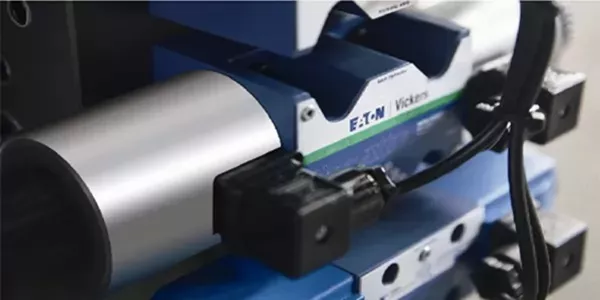
These machines are usually built around high-speed injection devices and optimized hydraulic systems that inject molten plastic quickly and accurately. They also feature fast mold opening and closing speeds together with high-frequency cycle capability, which makes continuous injection molding production possible. In practice, high-speed injection molding machines are used where large quantities, high precision and consistent quality are all required at once, for example electronic product casings, auto parts, medical devices and consumer products.
The key technologies behind a high-speed machine are precise temperature control, precise pressure control, a high-speed screw injection molding system, and a high-response hydraulic system. Applied together, they allow the machine to complete an injection molding cycle in a very short time, raise production efficiency, and hold dimensional accuracy and surface quality part after part.
The industries that benefit most are those with short cycles, high volume and tight tolerances. Medical components and medical injection molding applications demand repeatable accuracy on small parts. Auto parts production depends on stable output across long runs. Everyday items such as packaging and daily necessities rely on a low cost per unit. You can see how these sectors are served in the full application range.
2. Working principle of high-speed injection molding machine
Mold closure
First, the two halves of the mold are tightly closed together, either hydraulically or mechanically, to form an injection cavity. Mold selection and installation are critical to the quality and efficiency of the injection molding process, and a high-speed machine only shows its advantage once the tool is properly aligned and seated.
Injection molding
After the mold is closed, plastic granules or granular plastic raw materials are fed into the injection molding screw through the feeding system of the injection molding machine. The injection molding screw rotates and pushes the plastic material forward while increasing temperature and pressure. After the plastic melts and reaches a certain state, the injection screw injects the plastic into the mold cavity.
Cooling
Once the plastic fills the mold cavity, the injection screw stops feeding and waits for a set cooling time so the plastic solidifies and takes its final shape inside the mold. The length of the cooling time depends on the nature of the plastic and the requirements of the product, and it is usually the longest single step in the cycle.
Mold opening
After the cooling time is over, the hydraulic system or mechanical mechanism of the injection molding machine opens the mold and removes the solidified plastic product from the mold. How quickly the mold opens affects the cycle time and productivity of the injection molding machine, which is why high-speed machines use multi-axis linkage to overlap these steps.
Machine cycle time
A complete injection molding cycle includes the steps of mold closing, injection molding, cooling and mold opening. The advantage of high-speed injection molding machines is their ability to complete these steps in shorter cycle times, increasing productivity and throughput. The comparison below shows how the two machine types differ in practice.
| Comparison point | Ordinary injection molding machine | High-speed injection molding machine |
|---|---|---|
| Injection unit | Standard screw and valve design with moderate injection speed | High-speed injection device with dedicated valve control for faster fill |
| Clamping unit | Standard closing speed, so clamping time grows with tonnage | Fast mold closing and opening with multi-axis linkage |
| Cycle structure | Closing, injection, cooling, material storage, opening, mold support, gap time | Closing, injection, cooling, opening with mold support and material storage run synchronously |
| Energy and noise | Standard pump, with higher electricity and hydraulic oil consumption | Servo hydraulic system with soft start, lower energy use and lower noise |
| Best fit | Medium volume production with longer cycle requirements | High volume, short cycle production on dedicated tooling |
3. Advantages of high-speed injection molding machine
Improvement in production efficiency
The high-speed injection molding machine has a short injection cycle time and can complete the injection molding process in a shorter time. This means that more plastic products can be produced per hour, increasing production efficiency and output.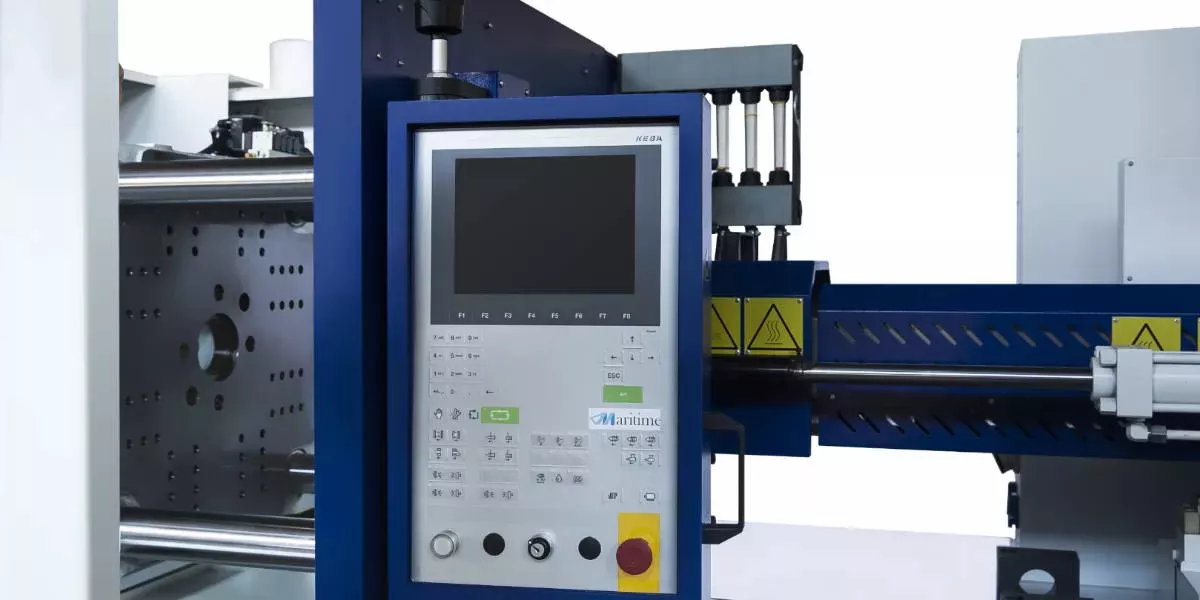
Improvement of yield rate
The high-speed injection molding machine has more precise temperature and pressure control during the injection molding process, which can reduce the defect and defective rate of plastic products. Its high-speed injection and precise control system contribute to consistent product quality, so a stable yield becomes repeatable rather than accidental.
Cost saving
Due to the high efficiency and high output of high-speed injection molding machines, more products can be produced per unit time, thereby reducing the production cost of each product. In addition, scrap and rework costs are reduced due to improved yield, and the lower energy consumption of a servo hydraulic system reduces the utility bill as well.
Increased design freedom
High-speed injection molding machines can achieve faster injection speeds and short cycle times, allowing for greater design flexibility. It can meet the requirements of products with complex shapes and rich details, providing more design freedom. Thin-walled parts and fine-detail parts that would be difficult to mold on a standard machine become practical on a high-speed machine.
Optimization of resource utilization
The high-speed injection molding machine adopts advanced injection molding technology and precise control system, which can reduce the waste of plastic raw materials and energy consumption. It enables more efficient use of resources and reduces the environmental impact of the production process. Understanding this difference between machine types is covered in detail in our guide to electric versus hydraulic injection molding machines.
4. Maintenance and upkeep of high-speed injection molding machine
A high-speed machine runs more injection strokes per day than a standard machine, so its maintenance routine matters even more. Because the cycle is short, small problems such as a worn heater band or a drifting pressure sensor can repeat thousands of times a day before anyone notices. The five routines below are the ones that protect uptime and part quality.
Lubrication and cleaning
Regularly check and maintain the lubrication system to ensure that the various moving parts and transmission systems of the injection molding machine are well lubricated. At the same time, regularly clean the outside and inside of the injection molding machine to remove plastic residue and other dirt. On a high-speed machine this work should follow a fixed daily and weekly schedule rather than waiting for a breakdown.
Parts inspection and replacement
Regularly check the key parts of the injection molding machine, such as injection screw, mold, heater, cooler, pressure sensor, etc., to ensure that they are in good condition. If there are worn, damaged or aged parts, replace them in time. Keeping spare injection units and sensors on hand shortens the downtime when a part does fail.
Troubleshooting and fixing
For common faults, such as temperature control failure, abnormal pressure, leakage, etc., timely eliminate and repair them. Regularly check the operating status of the electrical system, hydraulic system and control system to ensure that they are working properly. Documenting each fault and its fix also builds a useful history for the machine.
Regular calibration and adjustment
Regularly calibrate and adjust the parameters of the injection molding machine, including temperature, pressure, injection speed, mold opening and closing speed, etc. Ensure that the operating parameters of the injection molding machine are consistent with the product requirements to ensure stable production quality. A high-speed machine is only as repeatable as its last recorded parameter set.
Safety equipment inspection
Regularly check and test the safety devices of the injection molding machine, such as protective doors, safety light curtains, emergency stop buttons, etc. Ensure safety equipment is reliable and effective to avoid accidents. Since a high-speed machine closes the mold faster, every safety device must be tested at speed, not just at standstill.
5. How to choose and purchase a high-speed injection molding machine?
Production demand analysis
First of all, you need to clarify your own production needs, including the type, size, and output of the required products. Determine the specifications and performance requirements of the injection molding machine according to the production needs.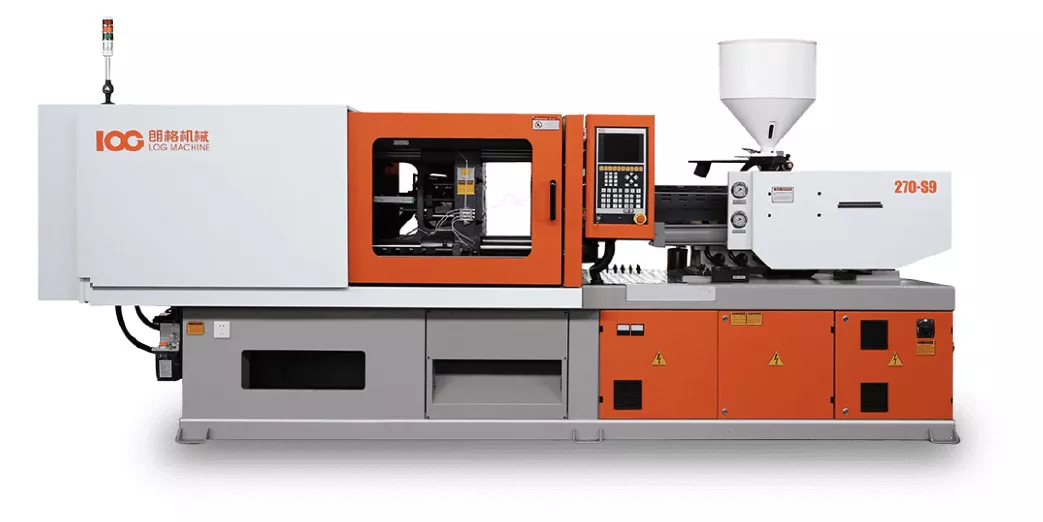
Performance parameter considerations
When selecting and purchasing a high-speed injection molding machine, there are several factors to consider. First, conduct production demand analysis to clarify the type, quantity and specification of the products to be produced. Then, focus on performance parameters such as injection capacity, injection pressure, injection speed, and pressure retention. At the same time, the control system, energy consumption and efficiency, reliability and stability, and safety performance of the injection molding machine should be considered. Also, choose a supplier with good brand reputation and technical support, taking cost and budget into consideration. Through comprehensive analysis and evaluation, select a high-speed injection molding machine that meets production needs, has excellent performance, and reliable quality, so as to improve production efficiency, ensure product quality, and meet market demand. A detailed parameter walkthrough is available in our guide to how to select a plastic injection molding machine.
Brand and supplier selection
When selecting and purchasing high-speed injection molding machines, the choice of brands and suppliers is very important. First of all, to choose a supplier with a good brand reputation and high recognition, you can evaluate the performance of different brands through market feedback and customer evaluation.
Secondly, it is necessary to consider the technical strength and technical support capabilities of suppliers to ensure that they can provide advanced technical solutions and comprehensive after-sales services. For a high-speed machine, proximity of the service network matters because the machine runs hard and downtime is expensive.
In addition, suppliers should have a strict quality control system and reliable after-sales service to ensure stable quality of the high-speed injection molding machines provided. On the basis of comprehensive consideration of cost-effectiveness, you can visit the supplier's production base to further understand its production process and quality control measures. By comprehensively considering the above factors and comparing with multiple suppliers, choosing the right brand and supplier will provide you with high-quality high-speed injection molding machines and excellent after-sales service to meet your production needs. You can review the manufacturing capability and quality control process of LOG Machine as a manufacturer before you decide.
Cost-benefit analysis
When conducting a cost-benefit analysis, multiple factors need to be considered. The first is the equipment price. It is necessary to compare the prices of high-speed injection molding machines provided by different suppliers, and consider their performance and quality.
The second is production efficiency, choose a high-efficiency injection molding machine that can increase output and reduce production costs. Energy consumption is also an important consideration, and choosing more energy-efficient equipment can reduce energy consumption and associated costs. In addition, maintenance and upkeep costs, service life and durability, the cost of supporting equipment and accessories, and supplier service and support also need to be considered.
By comprehensively considering these factors and conducting a cost-benefit analysis, a high-speed injection molding machine that meets the budget, superior performance, and high long-term returns is selected to improve production efficiency, reduce production costs, and achieve long-term sustainable development.
6. Conclusion
The application of high-speed injection molding machines has brought revolutionary changes to the production of plastic products. By understanding and mastering the relevant knowledge of high-speed injection molding machines, enterprises can make better use of this advanced technology, enhance their competitiveness, and adapt to the rapid changes in the market. A machine only pays back when its cycle time, yield rate and energy consumption are matched to your product and your volume, so treat the specification review as carefully as the price negotiation.
If you would like to see how a high-speed machine is configured for your own tooling, or you are still comparing injection molding machine product ranges, we can build a specification sheet around your part, your annual volume and your target cost per piece. Start with the LOG Machine overview, read more background in our blog archive, and then contact us for a tailored quotation.
